

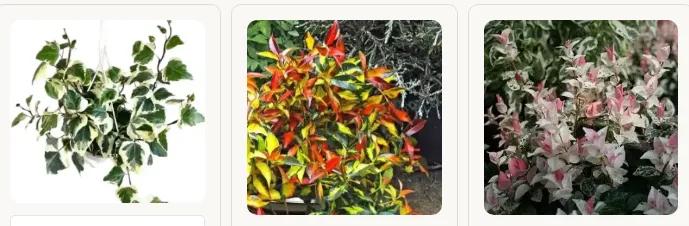
Urban living often comes with a compromise—limited outdoor space. Yet even the smallest balcony holds immense potential. With thoughtful design and botanical imagination, it can evolve into a verdant retreat suspended above the city’s rhythm. Among the most effective ways to achieve this transformation is through balcony hanging plants, a design choice that merges aesthetic grace with spatial ingenuity.
They do not merely decorate. They elevate.
The Allure of Vertical Greenery
Balconies are often constrained by square footage, but their vertical dimension remains largely untapped. Balcony hanging plants utilize this overlooked plane, converting railings, ceilings, and wall brackets into flourishing displays of cascading foliage.
The result is immersive. Instead of a flat arrangement of pots clustered on the floor, hanging plants create layers—canopies of green that soften harsh architectural lines and introduce organic movement. Leaves sway gently in the breeze. Shadows dance across walls. The atmosphere becomes tranquil, almost meditative.
Vertical gardening is not just practical. It is poetic.
Environmental Benefits in Elevated Spaces
Beyond aesthetics, balcony hanging plants provide tangible environmental advantages. They act as natural air filters, absorbing pollutants and releasing oxygen. In densely populated urban areas, this contribution becomes particularly valuable.
The foliage also serves as a thermal buffer. Strategically placed plants can reduce heat absorption on sun-exposed balconies, moderating temperatures and creating a cooler microclimate. During warmer months, this subtle insulation enhances comfort while lowering reliance on artificial cooling systems.
Even the psychological benefits are profound. Studies consistently associate greenery with reduced stress and improved concentration. A balcony adorned with hanging flora becomes more than a decorative feature—it becomes a restorative refuge.
Selecting the Ideal Varieties
Not all plants are suited to elevated containers. Choosing appropriate species ensures longevity and visual harmony.
1. Trailing Pothos
Resilient and adaptable, pothos thrives in varied lighting conditions. Its heart-shaped leaves cascade effortlessly, making it ideal for balcony hanging plants arrangements.
2. Spider Plant
With arching foliage and charming offshoots, the spider plant is both beginner-friendly and visually dynamic.
3. Boston Fern
Feathery and voluminous, this fern adds softness to shaded balconies while enhancing textural contrast.
4. String of Pearls
Distinctive spherical leaves create an eye-catching silhouette, perfect for minimalist settings.
5. Petunias or Fuchsias
For those seeking color, flowering varieties bring vibrancy and seasonal charm to hanging displays.
The key lies in aligning plant choice with sunlight exposure. South-facing balconies demand sun-tolerant species, while shaded orientations benefit from shade-loving varieties.
Design Strategies for Visual Impact
An arrangement of balcony hanging plants should feel intentional rather than incidental. Varying heights introduces dimensional intrigue. Combining foliage with flowering plants prevents monotony. Mixing leaf textures—broad, delicate, glossy, or matte—adds depth.
Planters themselves contribute to the overall aesthetic. Woven baskets evoke rustic warmth. Ceramic pots lend modern refinement. Macramé hangers introduce a bohemian nuance. Metallic brackets create industrial elegance.
Balance is essential. Overcrowding can overwhelm the senses, while sparse placement may diminish impact. A curated composition ensures visual equilibrium.
Practical Installation Considerations
While the beauty of balcony hanging plants is undeniable, proper installation safeguards both plants and structure.
Ensure hooks and brackets are securely anchored.
Use lightweight potting mixes to reduce strain.
Confirm drainage systems prevent water accumulation.
Avoid obstructing walkways or emergency exits.
Attention to these practicalities ensures safety without compromising creativity.
Care and Maintenance
Hanging containers dry out more quickly than ground-level pots. Regular monitoring of soil moisture is imperative. Water thoroughly but allow excess to drain freely. Overwatering remains a common pitfall; roots require aeration as much as hydration.
Periodic fertilization supports sustained growth, particularly for flowering varieties. Pruning trailing stems encourages fuller foliage and prevents excessive elongation.
Rotating planters occasionally ensures even light exposure. Cleaning leaves gently removes dust and supports optimal photosynthesis.
Maintenance need not be arduous. Consistency, rather than complexity, yields success.
Seasonal Adaptation
Climate influences plant selection and care. In colder regions, certain balcony hanging plants may require relocation indoors during winter months. Frost-sensitive species benefit from temporary protection or insulated coverings.
Conversely, in tropical climates, humidity-loving plants flourish year-round. Adapting to seasonal shifts ensures longevity and sustained vibrancy.
Enhancing Privacy and Ambience
Beyond decorative appeal, balcony hanging plants can function as natural privacy screens. Cascading vines along railings create verdant barriers that shield interiors from neighboring views while maintaining airflow.
Soft lighting intertwined with foliage further enhances ambiance. Subtle LED strands or lanterns placed among leaves generate a warm evening glow, transforming the balcony into an intimate sanctuary after dusk.
The effect is immersive. Urban noise fades. Nature prevails.
Sustainability and Conscious Living
Incorporating balcony hanging plants reflects a broader movement toward sustainable urban living. Even modest greenery contributes to biodiversity by attracting pollinators such as bees and butterflies.
Composting kitchen scraps into nutrient-rich soil amendments supports circular gardening practices. Choosing native plant varieties reduces maintenance demands and water consumption.
Small ecological gestures, multiplied across cities, create meaningful impact.
Conclusion
The transformation of a balcony into a verdant haven requires imagination and intention. Through the thoughtful integration of balcony hanging plants, vertical space becomes an expressive canvas of foliage, texture, and life.
These elevated gardens transcend mere decoration. They purify air, soften architecture, and cultivate serenity amid urban bustle. They demonstrate that even within limited square footage, abundance is possible.
A single hanging planter can initiate change. Several can create a sanctuary.
In the interplay between gravity and greenery, balconies find new purpose—suspended not just above streets, but above the ordinary.